Essential Tips for Welcoming a New Puppy Home.
Bringing a new puppy home is incredibly exciting, but preparation is key. Make sure you establish a consistent feeding schedule, puppy-proof your living spaces by hiding cords, start crate training early, and stick to a rewarding positive-reinforcement routine.

Understanding Your Pet's Body Language
Pets speak to us constantly, just not with words. A wagging tail doesn’t always mean happiness—it can sometimes signal anxiety. Learning to read subtle cues like ear positions, posture, and eye contact will completely transform your bond with your pet..

The Ultimate Guide to Pet Nutrition & Diet
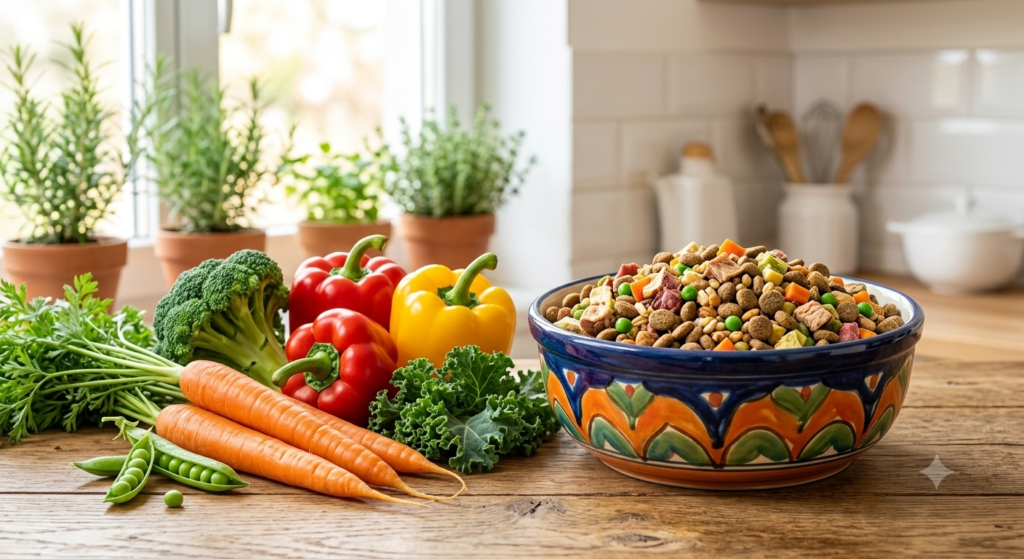
Every pet has unique dietary requirements based on their age, size, and activity level. Discover how to balance proteins, healthy fats, and essential vitamins to keep their coats shiny, their energy levels high, and their digestive systems running smoothly.
FAQ
How often should I publish new articles on my blog?
Consistency is key! We recommend publishing a new post 1–2 times a week to keep your readers engaged, build authority, and improve your website’s SEO ranking.
What are the best topics to write about for a pet blog?
Focus on highly helpful topics like puppy training advice, pet nutrition guides, seasonal health care tips, and understanding animal behavior.
Can I share my blog posts on social media?
Absolutely! Sharing your posts on platforms like Instagram and Facebook is a fantastic way to drive traffic back to your website.
Where can I get reliable information for my pet articles?
Always consult certified veterinarians, reputable animal welfare organizations, and established pet care experts to ensure your facts are accurate.
How long should a typical pet care blog post be?
Aim for anywhere between 800 to 1,500 words. This provides enough depth to completely answer your reader’s questions without overwhelming them.
Should I include images in every blog post?
Yes, visual content is crucial! High-quality images of happy pets break up long walls of text and keep your readers highly engaged.
How do I pick the right food for my puppy?
Look for high-quality formulas specifically labeled for growth or puppies, ensuring real meat is the first ingredient, and consult your vet.
How can I tell if my pet is feeling anxious?
Common signs of anxiety include excessive yawning, lip licking, keeping their tail tucked tightly, pacing, or pinning their ears backward.